
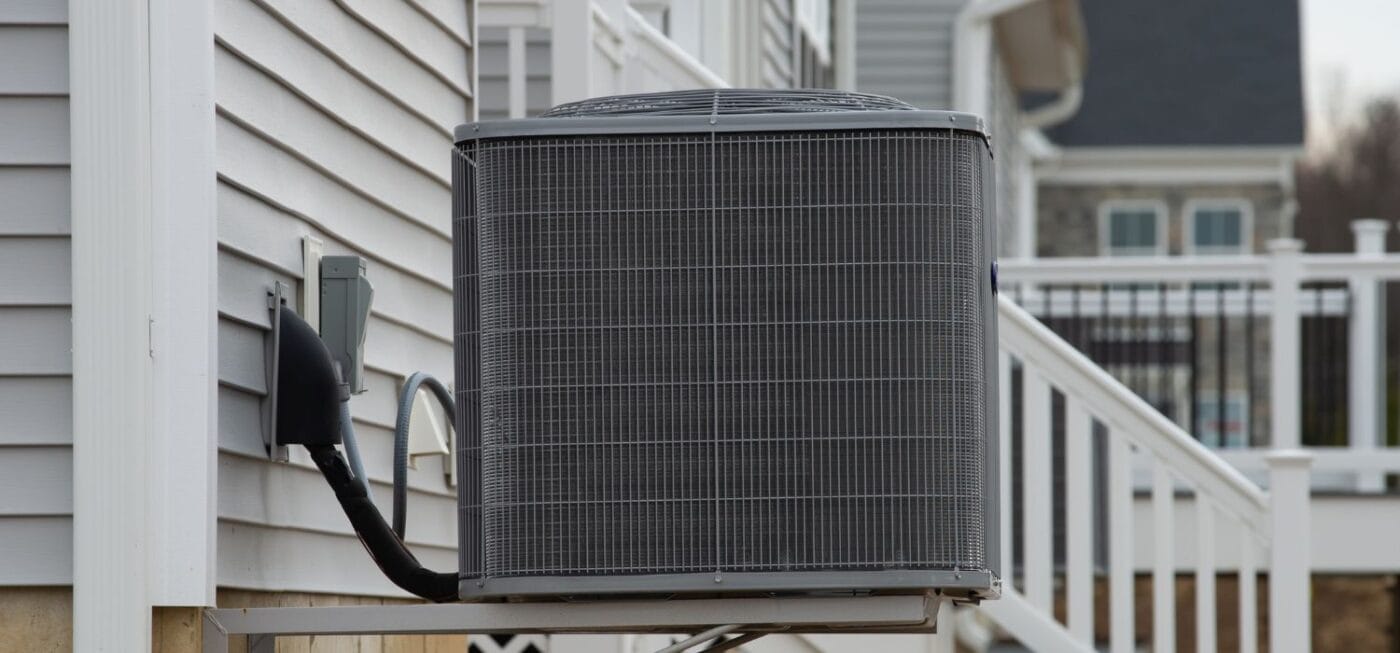
AC repair in Gulf Shores, AL, presents unique challenges—especially in older beach homes. Salt air, constant humidity, and aging construction can strain air conditioning systems in ways inland homes rarely experience. When your AC struggles during a hot coastal night, finding the right repair approach becomes essential.
Older Gulf Shores homes often require more than a quick fix. Understanding the root causes behind cooling problems can help you make smarter repair decisions and restore comfort more effectively.
If your home was built in the 1970s, 80s, or even the early 90s, you may already recognize the pattern: the AC runs constantly, energy bills rise, and some rooms never seem to cool properly.
These problems typically stem from three common issues:
Aging or damaged ductwork
Excess humidity entering the home
Improperly sized AC equipment
These factors often work together. According to the Department of Energy, duct problems alone can waste 20%–30% of conditioned air, and that loss can be even higher in humid coastal environments.
Many Gulf Shores homes were built before modern energy standards improved insulation and air sealing. While builders used the best methods available at the time, older duct systems were not designed for today’s high-efficiency HVAC equipment.
During inspections, technicians often find:
Crushed or kinked flexible ducts
Insulation separating from the duct surfaces
Loose connections that leak air
Rust forming on older metal ductwork
Common duct problems in coastal homes consist of the following:
Air leaks: Cool air escapes into attics or crawl spaces instead of reaching living areas.
Poor insulation: Heat and humidity warm the air before it reaches rooms.
Improvised layouts: Additions and renovations often leave duct systems patched together over decades.
These issues lead to uneven cooling, long system run times, and rooms that feel uncomfortable even when the AC unit itself is functioning properly. In many cases, repairing or sealing ductwork dramatically improves comfort without replacing the main air conditioning equipment.
Another frequent issue in older homes is improperly sized equipment.
Over time, many houses have been modified:
Additions built without updating HVAC capacity
Garages converted to bedrooms
Porches enclosed in the living space
When the system is too small, it runs almost continuously but still struggles to cool the home or remove humidity. Homeowners often notice the AC never shuts off, yet the house still feels warm or muggy.
Professional HVAC contractors rely on detailed load calculations rather than simple square-foot estimates. Factors include:
Air leakage throughout the home
Ceiling height
Insulation levels
Sun exposure
Window size and direction
Correct sizing matters especially along the Gulf Coast because humidity control is as important as temperature control. An oversized system can also cause problems. Units that cool too quickly shut off before removing enough moisture, leaving indoor air cold but sticky. A properly sized system runs long enough to remove both heat and humidity.
Humidity is one of the biggest comfort challenges in Gulf Shores homes. Even when temperatures are reasonable, high indoor moisture levels can make a house feel damp and uncomfortable.
Older construction often allows humid outdoor air to enter through:
Aging insulation
Leaky duct systems
Small gaps around windows and doors
Unsealed attic penetrations
Over time, excess humidity can contribute to mold growth, musty odors, and additional strain on air conditioning systems.
The Environmental Protection Agency recommends keeping indoor humidity between 30% and 50% to prevent mold and dust mites. In coastal homes with air leaks, levels can easily rise above that range.
Signs of excess humidity include the following:
Condensation on vents or windows
Doors that swell or stick
Musty or “old beach house” smells
Sticky floors or clammy bedding
When these symptoms appear, the AC system is often working overtime trying to remove moisture from the air.
The good news is that targeted repairs—such as sealing ducts or improving airflow—can often restore proper humidity control without requiring a full system replacement.
Repairing air conditioning systems in coastal homes requires more than a quick look at the outdoor unit. Because multiple factors affect performance, a thorough evaluation is essential.
Technicians typically begin with a full system inspection that includes airflow testing, duct evaluation, and humidity measurements.
A typical repair evaluation includes:
Checking refrigerant levels and system pressures
Discussing comfort issues with the homeowner
Evaluating air distribution to each room
Inspecting ducts for leaks or damage
Looking for corrosion caused by salt air
Measuring airflow and temperature differences
This process helps identify whether the main issue involves equipment, ductwork, humidity intrusion, or a combination of factors.
Depending on the findings, repairs might include:
Adjusting airflow and balancing vents
Cleaning or protecting coils from corrosion
Clearing clogged condensate drain lines
Installing dehumidification solutions
Recommending system upgrades when necessary
Sealing or repairing ducts
Beach environments create unique conditions for HVAC systems. Salt particles, sand, and constant moisture accelerate wear on metal components and reduce efficiency if equipment is not maintained regularly.
Common coastal AC issues include:
Salt corrosion on coils: Reduces efficiency and cooling capacity.
Clogged condensate drains: Algae growth can block drain lines and cause water leaks.
Deteriorating ductwork: Age and humidity can weaken insulation and connections.
Improper system sizing: Older equipment may not match the home’s current layout.
Routine inspections and HVAC maintenance help catch these issues early, preventing breakdowns during peak summer heat.
Homeowners rarely need technical knowledge to recognize when something is wrong. Older systems usually give clear warning signs before failing.
Watch for these symptoms:
Long cooling cycles with little improvement in comfort
Persistent humidity or musty smells indoors
Rising energy bills from year to year
Rooms that never reach the thermostat setting
Water near indoor units or dripping from vents
If multiple symptoms appear, scheduling an inspection sooner rather than later can help prevent more extensive repairs.
While coastal homes present unique HVAC challenges, many comfort issues can be solved without major renovations. Strategic repairs, duct improvements, and proper equipment sizing can dramatically improve cooling performance.
Addressing airflow and humidity often produces the biggest improvements. When cool air reaches every room and moisture levels stay balanced, homes feel noticeably more comfortable even during the hottest Alabama summers.
Living near the beach offers incredible views and a relaxed coastal lifestyle, but it also places extra demands on air conditioning systems. Older Gulf Shores homes often struggle with:
Aging ductwork
High humidity infiltration
Improperly sized equipment
These factors can cause uneven cooling, high energy bills, and uncomfortable indoor air.
By identifying the root causes of these problems and addressing them with targeted repairs, homeowners can significantly improve comfort and system efficiency.
With the right approach, even older beach homes can stay cool, dry, and comfortable—no matter how hot the Gulf Coast summer becomes.
1905 S McKenzie St, Foley, AL 36535
Mon - Sun 6am- 10pm
24/7 Emergency Service