
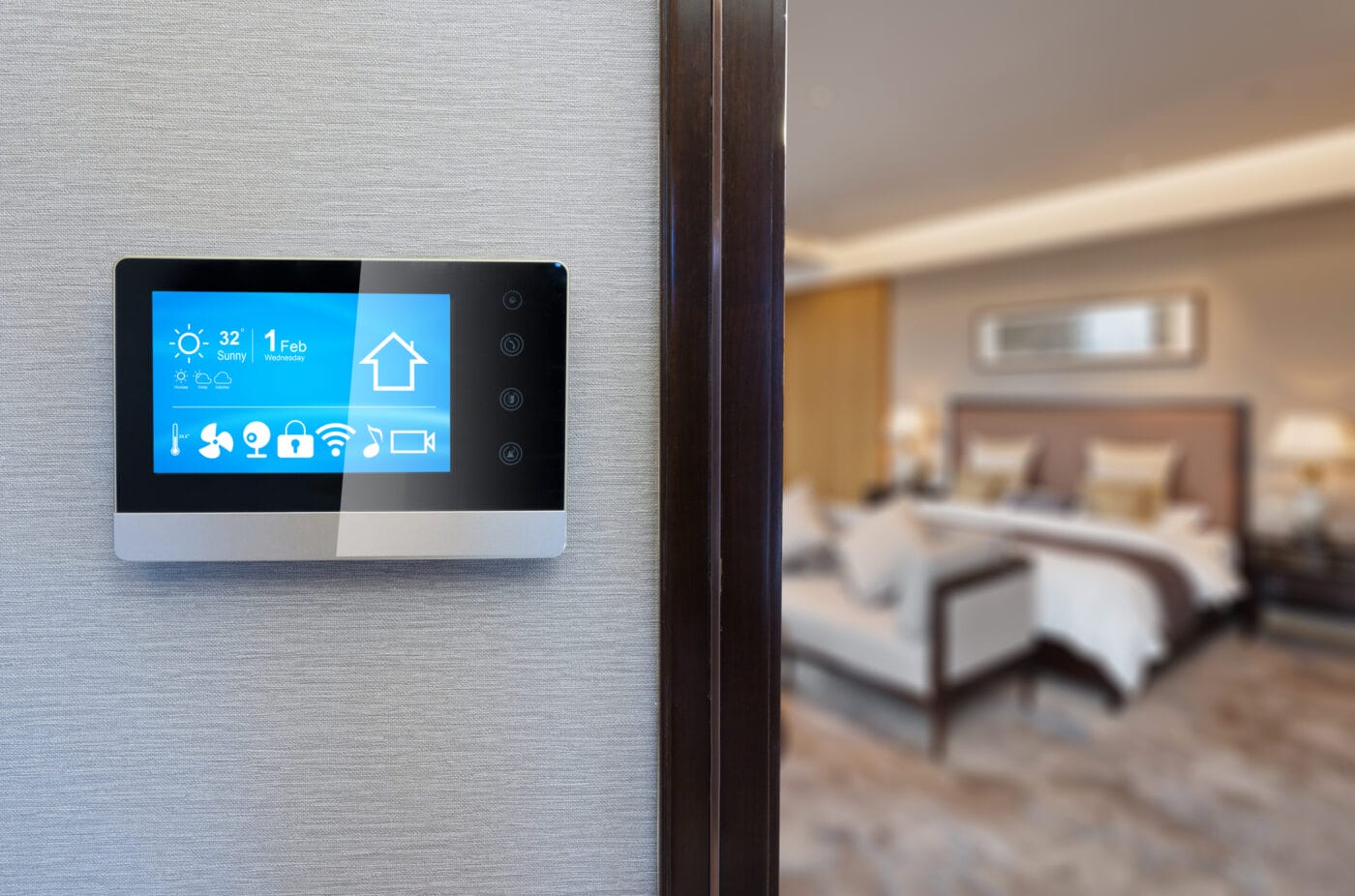
You see them everywhere. Those sleek, digital thermostats promise to help you save money and make life easier. It makes you wonder, are smart thermostats worth it, or is it just more tech hype? It’s a valid question because no one wants to spend money on a gadget that doesn’t deliver.
The short answer is yes. For many people, they’re a fantastic investment that helps lower utility bills. But it’s not a simple yes for everyone. In this article, you’ll learn how they work, where the real energy savings come from, and who might be better off with their old thermostat.
The biggest selling point is the potential for these devices to lower your energy bills. And the good news is, there’s solid data to back this up. It’s not just marketing talk. Smart thermostats save money by reducing wasted energy.
According to the Environmental Protection Agency, homes with ENERGY STAR-certified smart thermostats save an average of 8% on heating and cooling costs. For most families, that works out to about $50 saved per year on heating and cooling bills. It might not sound like a fortune, but the device can pay for itself in just a few years, making it a worthwhile upgrade.
The secret is simple. Smart thermostats are just better at turning your heating or air conditioner down when you don’t need them. They automate the energy-saving process, so you don’t have to remember to adjust temperature settings yourself.
So how do they know when you’re not around? They use clever tech to figure it out, and this automation makes them so effective. This is how smart thermostats save energy without you even having to think about it.
Many popular models, like the Google Nest, have motion sensors built right in. If the thermostat doesn’t detect anyone walking by for a while, it assumes the house is empty. Then, it switches to an energy-saving temperature automatically, lowering your cooling bills in the summer and heating costs in the winter.
Other thermostats use geofencing, a feature that connects to your smartphone via the thermostat app. When it sees your phone has left a predefined area around your house, it tells the thermostat you’re gone and adjusts the temperature. When you start heading home, it kicks the system back on so it’s comfortable when you walk in the door.
Some of the most advanced models also use learning algorithms. They pay attention to the changes you make to the thermostat settings for the first week or two. Then, they create a custom schedule for your home’s heating and cooling, adjusting the temperature to lower levels when you’re typically at work or asleep.
Cutting your utility bill is great, but that’s not the only reason people love these devices. They also add a level of comfort and convenience that regular thermostats with manual controls can’t match. Life just gets a little easier.
Imagine coming home from vacation to a freezing cold or sweltering house. With a smart thermostat, you can pull out your phone and set temperature levels from anywhere using app control. Your house is perfectly comfortable by the time you arrive, a huge improvement over older programmable thermostats.
Some systems also utilize remote sensors that you can place in various rooms. If your bedroom gets much hotter than your living room, you can tell the thermostat to run the system based on the bedroom’s temperature. It’s a great fix for homes that don’t heat or cool evenly, which can also help you check on your home’s air quality.
Another major benefit is how thermostats integrate with other smart home devices. This connectivity creates a more automated and responsive living environment. A smart home is more than just having trendy gadgets like air fryers or electric bikes. It’s about systems working together.
For instance, some smart thermostats can connect to your smoke detectors. If it detects a fire, the thermostat can automatically shut down your HVAC fan to help prevent smoke from circulating throughout the house. This feature adds a layer of safety that traditional thermostats simply can’t offer.
They can also work with smart locks and security systems. When you lock your door locks to leave, the system can signal the thermostat to switch to its away mode. This seamless automation means thermostat users save energy without lifting a finger.
This is where an honest assessment of your lifestyle is needed. A smart thermostat isn’t a magic fix for every home. In some cases, you might not see the savings or benefits that others do, so here is some buying advice.
Think about how your family lives. If someone is always at home due to remote work or retirement, a thermostat that saves energy when the house is empty won’t be of much use. The geofencing and motion sensor features won’t have many chances to activate.
Your climate also plays a big part. If you live somewhere with mild weather and rarely use your heat or AC, your potential savings will be quite small.
Before you purchase one, it’s wise to check a few things. You want to confirm your situation and that your HVAC system is a good match. There are a few scenarios where it might not be the best investment.
It’s also important to know that some modern, high-efficiency heat pumps are designed to run continuously at a low level. A smart thermostat that turns the system on and off frequently might actually make it less efficient. Check your system’s manual or get some expert tips from an HVAC professional.
So, we come back to the main question: are smart thermostats worth it? For most homeowners who are away during the day and want an easy way to achieve energy savings without sacrificing comfort, the answer is a clear yes. The convenience of phone control and the automated savings are hard to beat.
But if you’re a disciplined scheduler, live in a mild climate, or have an incompatible HVAC system, the benefits might not outweigh the cost. Look at your own habits and home setup first. Knowing the facts helps you decide if a smart thermostat is a smart purchase for your home.
1905 S McKenzie St, Foley, AL 36535
Mon - Sun 6am- 10pm
24/7 Emergency Service