
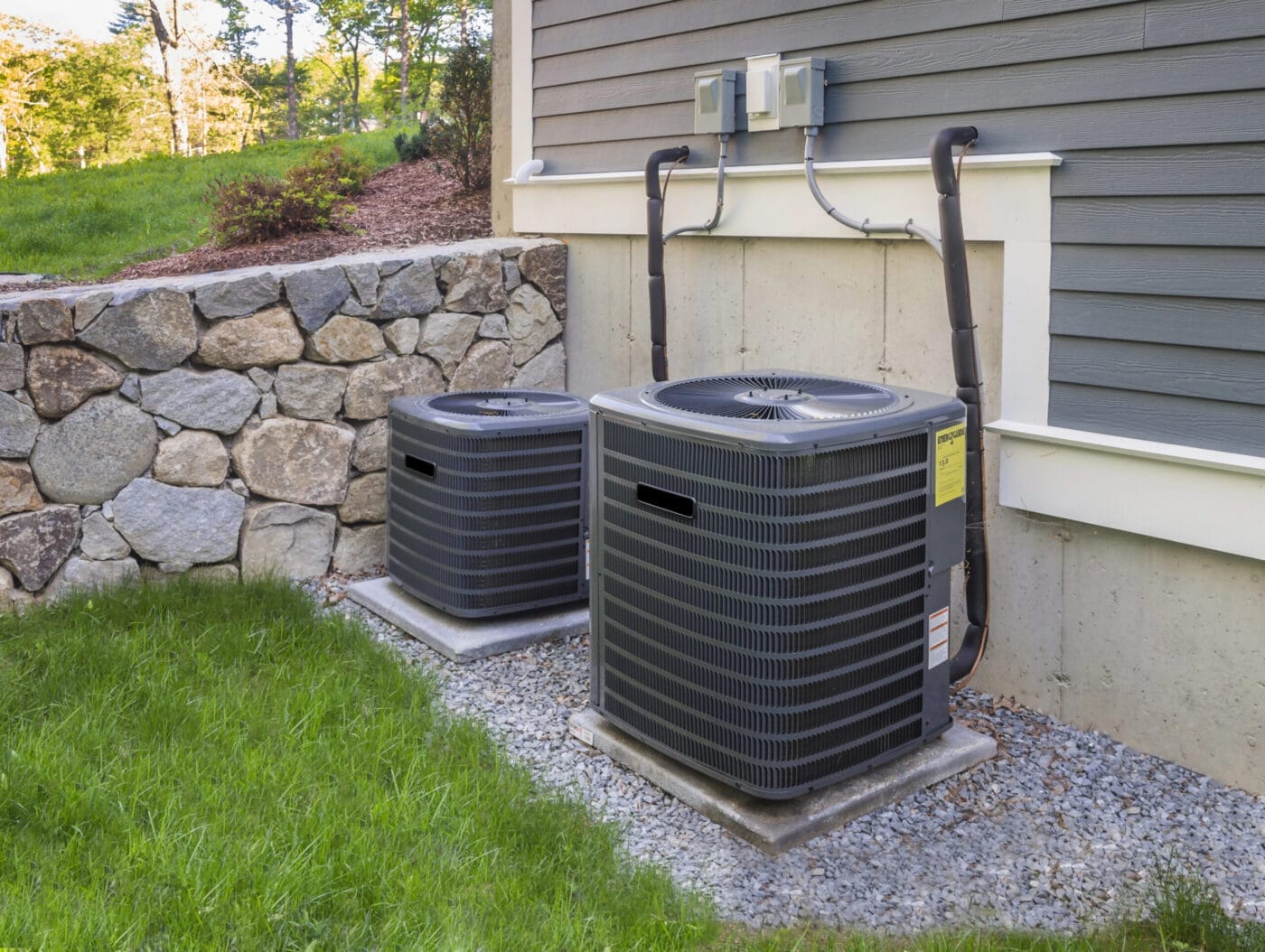
You know the moment. The first truly hot day of the year arrives, and you walk over to your smart thermostat with relief. But when the AC kicks on, that cool air comes with a nasty surprise—a strange smell that fills your home. Those weird air conditioner smells can be unsettling, but what do they actually mean?
Different odors indicate various problems. Luckily, you can figure out what your system is trying to tell you. Let’s walk through what those air conditioner smells are and what you should do about them.
Paying attention to the specific scent can help you diagnose the issue. Some smells are just annoying, but others are warnings you shouldn’t ignore. To help you quickly identify the problem, here is a quick guide to common smells and their causes.
| Smell | Potential Cause | What To Do |
|---|---|---|
| Musty / “Dirty Socks” | Mold or bacteria on the evaporator coil. | Check the air filter and condensate line. Call an HVAC contractor for coil cleaning. |
| Burning / Electrical | Overheated motor or damaged wiring. | Turn off the AC at the thermostat and circuit breaker. Call an HVAC technician immediately. |
| Garbage / Decay | A deceased animal in the AC unit or ductwork. | Contact an HVAC professional for safe removal and system sanitation. |
| Chemical / Exhaust | A potential refrigerant leak. | Call a licensed HVAC technician to find and repair the leak. |
If your room suddenly smells like a locker room, you’re likely dealing with “dirty sock syndrome.” It’s one of the most frequent AC odors. This musty smell is usually caused by a buildup of mold and bacteria on your air conditioner’s evaporator coil.
When your system runs, moisture collects on the coil. If the unit sits idle for a while, that dark, damp space becomes a perfect breeding ground for mildew. When you turn the AC back on, it blows those smelly spores right into your home, affecting your indoor air quality.
In some cases, a professional can install a UV light system near the indoor coil. This light helps prevent the growth of bacteria and mold, and it offers a continuous solution to help keep the source of the musty smell from returning.
A burning smell is a serious red flag. If you notice an odor such as burning plastic, gunpowder, or just something electrical, turn your AC unit off immediately at the thermostat and the circuit breaker. This often indicates a mechanical issue, such as an overheated fan motor or faulty wiring.
These issues create a significant fire hazard and should never be dismissed. This is not a wait-and-see problem, as an electrical issue can quickly become dangerous. After cutting the power, it’s time to call an HVAC professional for help.
This is another unpleasant but common air conditioner smell. During cooler months, small animals or birds sometimes seek shelter in your ductwork or outdoor unit. If one of these critters gets trapped and passes away, you’ll know it once you turn the AC on.
A smell of decay is a clear sign that you have a deceased animal somewhere in your system. An HVAC technician can locate and remove the source of the problem and check your system for any damage. To prevent future incidents, you can ask the technician to install protective mesh over exterior vents.
Your AC unit should never smell like a car’s exhaust pipe. If you detect a chemical odor, it might be a refrigerant leak. While modern refrigerants are mostly odorless, the oils that circulate with them can produce a distinct smell.
A leak allows these fluids to drip onto hot components, creating fumes that get into your airflow. A refrigerant leak not only smells bad but also harms your system’s performance and is bad for the environment. This problem needs a professional technician to find and fix the leak correctly.
So, you’ve identified the smell. What is the next step? While dangerous odors need an expert right away, for musty smells, there are a few places the problem could be coming from.
Your air conditioner pulls moisture out of the air to dehumidify your home. This water drips into a drain pan and flows outside through a condensate line. If that line gets clogged with algae and sludge, water backs up, helping mold grow.
A blocked condensate line is a very frequent reason for a musty smell. Clearing the clog will let the water drain properly and can often fix the odor. For a minor clog, you can try using a wet/dry vacuum at the exterior drain pipe to suck out the blockage.
Controlling moisture is the best way to stop mold, a fact supported by information from the U.S. Environmental Protection Agency about mold growth in homes. If the problem persists, a professional can thoroughly clean the line.
A dirty air filter can’t do its job properly. It gets clogged with dust and particles, which can restrict airflow. This can lead to moisture building up on the evaporator coil, creating that musty smell we talked about.
Check your air filter monthly, and if it looks dirty, replace it. It’s a simple, cheap step that protects your indoor air quality and your HVAC system. Consider using a filter with a MERV rating between 8 and 11 for a good balance of filtration and airflow.
Sometimes the problem is the unit itself. An air conditioner that is too big for your house will cool the space too quickly. This might sound good, but it means the system shuts off before it can properly dehumidify the air.
This frequent starting and stopping is called short cycling. Besides poor dehumidification that can lead to mold, it also causes unnecessary wear on the system’s components. A unit that is too small will run constantly without ever cooling your home, leading to high energy bills.
The best way to deal with strange AC smells is to stop them before they start. Scheduling annual regular maintenance with an HVAC technician is the most effective approach. A pro can clean the coils, clear the drain line, and spot potential issues before they become big, smelly problems.
Think of it like a checkup for your car. A little preventive care goes a long way and is a wise investment in your home’s comfort and safety. A typical tune-up often includes several important checks:
This service helps your system run more efficiently and saves you money on energy bills. It also gives you peace of mind that a foul odor won’t greet you on the next hot day.
Those unexpected air conditioner smells are more than just an annoyance. They’re your system’s way of communicating a problem. A musty smell might point to a clogged drain line, but a burning odor signals a real danger. By understanding what these different smells mean, you can take the right steps to protect your home.
Don’t hesitate to address any unusual odors coming from your vents. For anything beyond a simple filter change, calling a trusted HVAC technician is the safest choice. Prompt action will fix these air conditioner smells for good and keep your system running smoothly.
1905 S McKenzie St, Foley, AL 36535
Mon - Sun 6am- 10pm
24/7 Emergency Service