
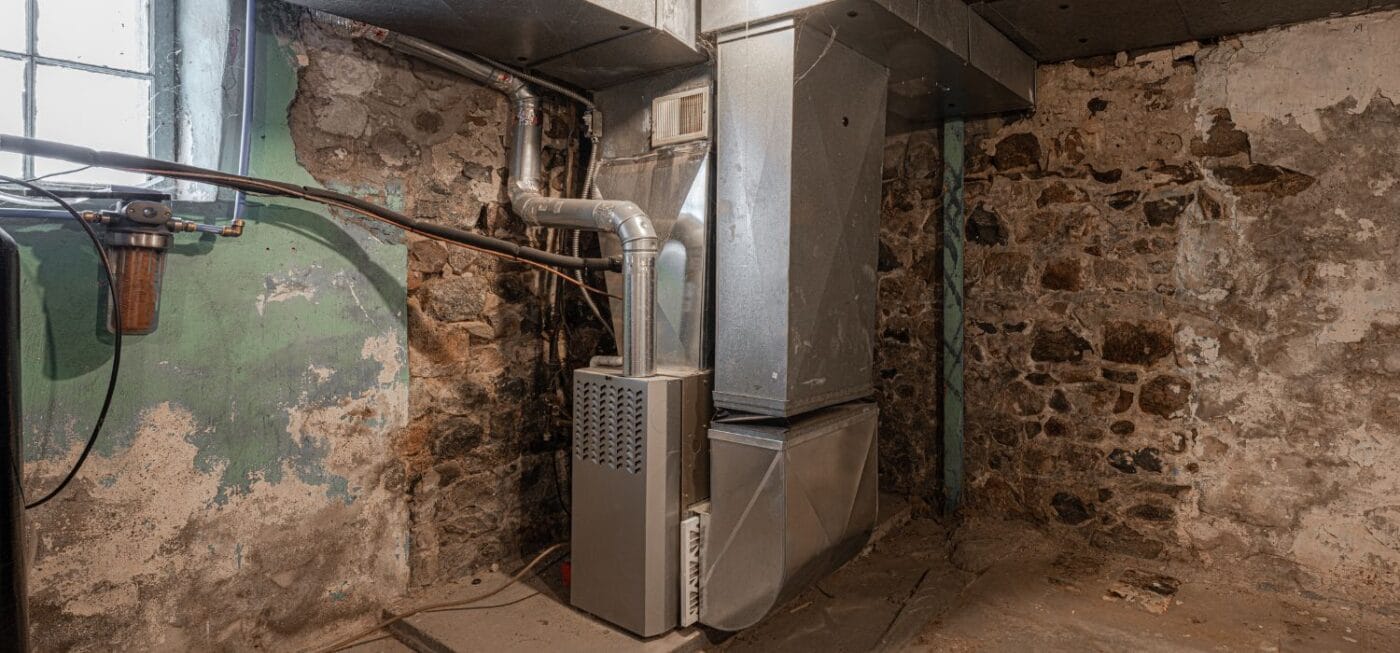
Your furnace keeps your home comfortable, but what happens when something goes wrong inside it? A cracked heat exchanger is one of those problems you can’t ignore because it presents a real risk to your household.
It’s not just about losing heat on a cold night. A crack can let dangerous gases into your home. That’s why knowing the warning signs matters so much.
In this guide, we’ll review what to watch for and why catching these issues early can protect your family. Understanding these indicators could save a life.
Think of the heat exchanger as the engine of your gas furnace. It takes energy from burning fuel to create heat and transfers it to the air that flows through your home.
The component is responsible for keeping combustion fumes separate from your breathing air. The toxic gases stay sealed inside while clean, warm air circulates through your vents.
When the system functions correctly, your indoor air quality remains safe. However, when stress cracks form, that separation breaks down. Gases that should remain contained can leak into your living space, making a cracked heat exchanger a serious threat.
Your furnace heat system will usually give you warnings before a small problem becomes a big one. Detecting signs of a cracked heat exchanger early is vital, and here’s what to look for during the heating season.
A dusty smell when your furnace’s heat exchanger first kicks on is pretty normal. But if you notice a strong chemical odor that reminds you of formaldehyde, that’s different.
This smell often means combustion gases are escaping where they shouldn’t. Indoor air becomes contaminated quickly in these situations.
Do not brush it off. If the smell persists, turn off your system and call a heating repair specialist.
A healthy flame inside a furnace heat exchanger unit should be blue and steady. That blue color tells you the fuel is burning completely and efficiently.
If your flame looks yellow or orange, something is wrong. Incomplete combustion can occur when airflow is disrupted by a cracked heat exchanger.
A flickering or wavering flame is another red flag. Check your burners when the furnace is running if you can safely do so.
Soot buildup near the burners or on the furnace cabinet isn’r normal. It indicates that the fuel isn’t burning the way it should inside the exchanger.
Stress cracks can change how gases move through the system. That leads to incomplete burning and visible soot deposits.
If you see black residue forming, it’s time to call a technician for furnace repair. This isn’t something you can clean away and forget about.
Furnaces make some noise. That’s just how they work. But rattling, banging, or popping sounds are different.
These noises often occur when metal parts expand and contract due to metal fatigue. A cracked heat exchanger can make this worse as the damaged metal moves more than it should.
New or unusual sounds from your furnace deserve attention. Don’t wait to see if they go away on their own.
Modern furnaces have safety sensors that shut things down when something is wrong. If yours keeps turning off for no clear reason, it’s trying to protect you.
Flame rollout switches detect when combustion gases aren’t flowing correctly. A cracked heat exchanger can trigger these sensors repeatedly due to furnace overheating.
This isn’t a nuisance. It’s your furnace doing its job. Let a professional figure out why it’s happening before you need a total furnace replacement.
Sometimes you can actually see the problem if you know where to look. Cracks, rust, or corrosion on the heat exchanger itself are clear signs of trouble.
The metal surfaces should look intact and relatively clean. Flaking rust or visible splits indicate the exchanger is at risk of failure.
Not all cracks are easy to spot without taking things apart. That’s why professional inspections use cameras and other tools.
A damaged furnace heat exchanger can’t transfer heat as well as it should. You might notice some rooms stay cold while others heat up fine.
The system might run longer to reach the temperature you set. Or it might never quite get there, reducing your energy efficiency.
Inconsistent heating has many causes, including a clogged air filter or issues with ductless mini heads if you have a hybrid system. But a failing exchanger is a prime suspect worth investigating.
A cracked heat exchanger isn’t like a broken thermostat or a clogged air vent. It’s a safety issue first and a comfort issue second.
The biggest danger is carbon monoxide (CO). This gas has no smell and no color, and you can’t detect it without a reliable detector.
CO exposure can cause headaches, dizziness, nausea, and worse. In extreme cases, the cracked heat exchanger poses a fatal risk to your family’s health.
| Healthy System Signs | Cracked Exchanger Signs |
|---|---|
| Blue, steady burner flame | Yellow, orange, or wavering flame |
| No odors after initial startup | Chemical smells like formaldehyde |
| Consistent heating cycles | Frequent short cycling or shut off |
| Clean furnace cabinet | Black soot or corrosion buildup |
Heat exchangers crack for several reasons. Age is a big one. Metal that heats and cools thousands of times suffers from metal fatigue.
Improper airflow stresses the system. If your air filters stay dirty or your blower struggles, the exchanger works harder than it should.
Corrosion from moisture or combustion byproducts weakens the metal over time. Once small stress cracks start, they tend to grow.
Here is the hard truth. You usually can’t repair a cracked heat exchanger. The only safe option is replacing the part or the entire furnace.
Trying to seal or patch a crack is rarely effective. The metal is under too much stress and heat for any repair to hold securely.
Replacement costs vary, but they’re never cheap. Sometimes it makes more sense to replace an older furnace, especially if you can check a savings calculator for new high-efficiency units.
If you’ve noticed any of these warning signs, don’t wait to see what happens. Turn off your furnace and contact a heating professional.
Make sure you have working carbon monoxide detectors on every level of your home. Test them regularly and replace batteries as needed.
Schedule yearly furnace inspections even when everything seems fine. Technicians can spot problems before they become emergencies.
HVAC technicians use several methods to inspect heat exchangers during HVAC maintenance. Visual inspection is the first step, but it’s not always enough.
Some use cameras to look inside areas that are hard to reach. Others perform combustion analysis to detect gases where they shouldn’t be.
Checking gas pressure and flame behavior can reveal problems that are not visible to the eye. This is a standard part of a furnace tune-up.
You can’t prevent a heat exchanger from aging, but you can reduce stress on it. Change your air filter regularly so airflow stays strong.
Keep vents and registers open throughout your home. Closing too many restricts airflow and forces your system to work harder, leading to furnace overheating.
Annual maintenance plan visits catch small issues early. You might also ask about duct cleaning or duct sealing to further improve system health.
While dealing with your furnace, consider the state of your air conditioning and water heater as well. Systems like tankless water heaters or a heat pump also need care to prevent breakdowns.
Many companies that handle heating installation also offer electrical services, pump repair, and plumbing services. Whether you need water softeners installed, a garbage disposal fixed, or heat pump repair, stick with trusted pros.
If you use ductless mini-split systems or packaged units for other parts of the home, keep them maintained. A holistic approach to maintenance often includes checking air filtration systems.
You can often bundle services like AC repair and water heater repair. Ask your provider about special offers or a savings calculator for upgrades.
Recognizing cracked heat exchanger signs early can save you from dangerous situations and expensive repairs. Strange smells, odd flame colors, soot buildup, and unusual noises all point to potential problems.
Your furnace is more than a comfort device. It’s a safety concern when something goes wrong inside it. Taking these warning signs seriously protects your home and indoor air quality.
1905 S McKenzie St, Foley, AL 36535
Mon - Sun 6am- 10pm
24/7 Emergency Service